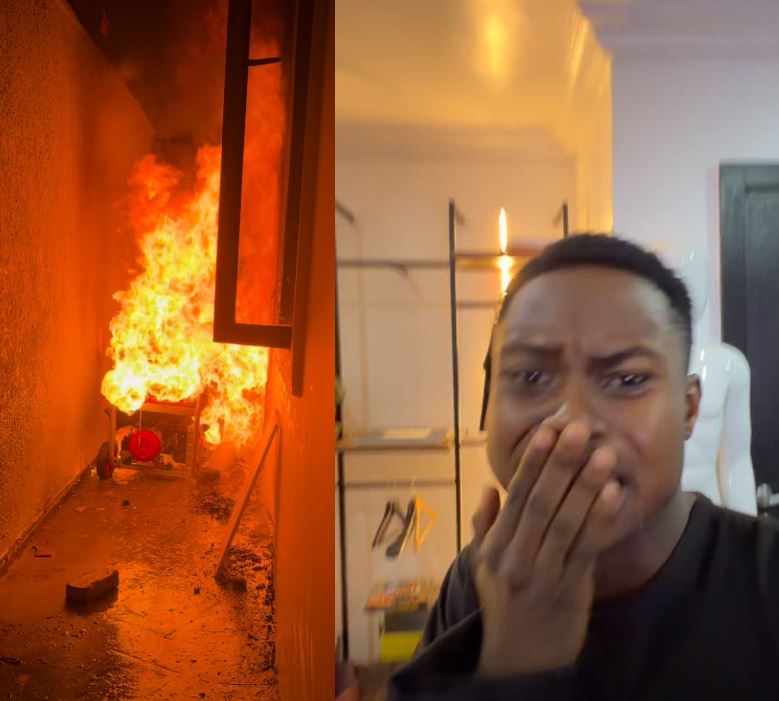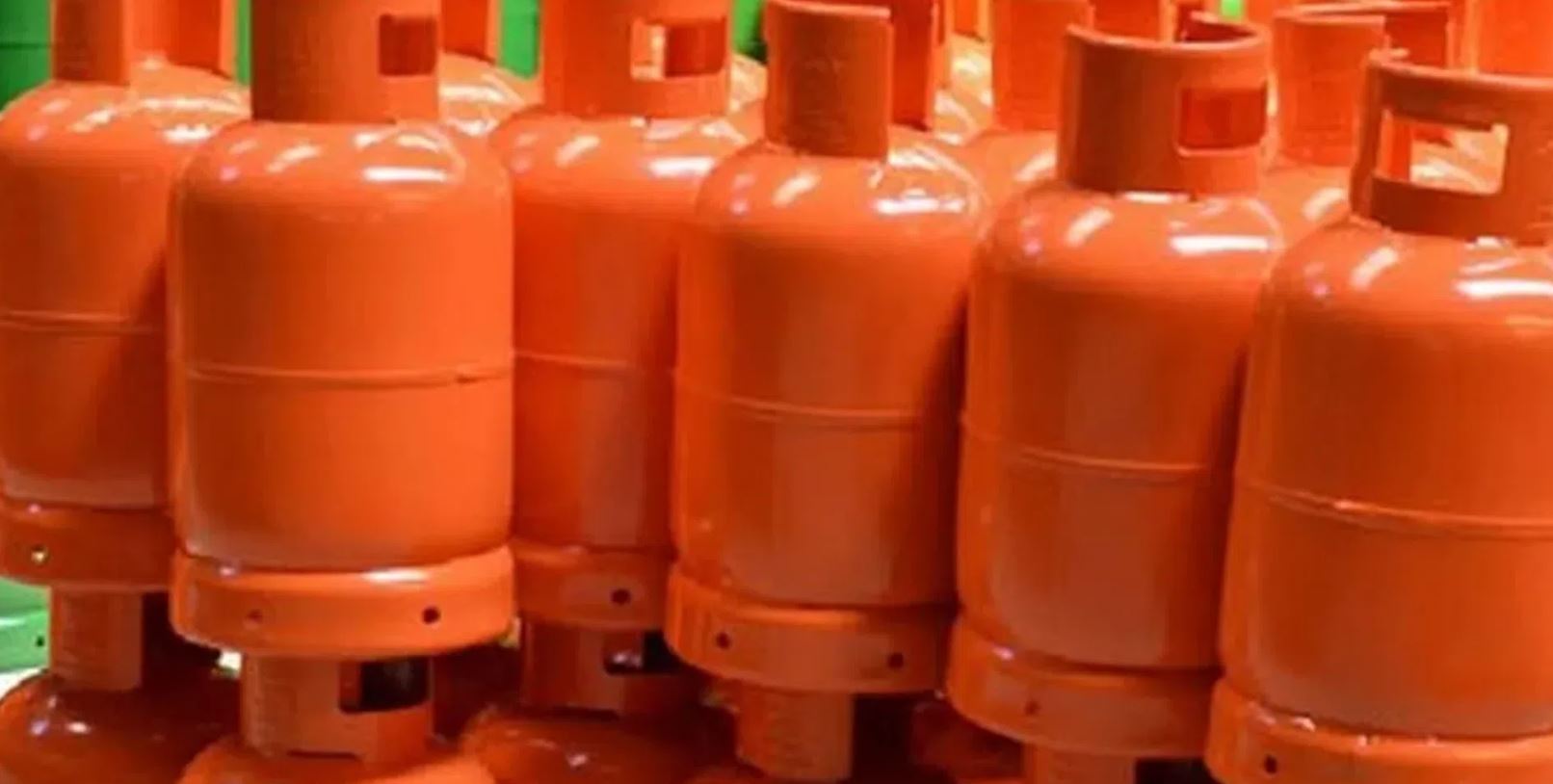
Many households assume a gas cylinder can last forever, but yes — gas cylinders do expire. Over time, the steel body can weaken, corrode, or get damaged due to pressure, heat, or mishandling.
This makes expired cylinders unsafe and increases the risk of leaks or explosions. That is why Liquefied Petroleum Gas (LPG) cylinders come with a lifespan and must undergo periodic inspections.
Understanding how to check your gas cylinder’s expiry date is essential for keeping your home, workplace, and family safe. A simple inspection can help you avoid dangerous incidents like gas leaks, fires, and costly property damage.
How to Check a Gas Cylinder’s Expiry Date
Most gas cylinders come with a stamped code that indicates when they should be tested or replaced. Here’s how to read it correctly:
1. Find the Code
Look at the neck, collar, or metal strip on the body of the cylinder. Codes look like A-23, B-24, or sometimes just a number such as “27”.
2. Decode the Letter
The letter represents the quarter of the year:
-
A = January to March
-
B = April to June
-
C = July to September
-
D = October to December
3. Decode the Number
The number is the year the cylinder is due for testing.
Example:
B-23 means the cylinder must be tested in April–June 2023.
If only a number appears, it usually represents the year. If unsure, confirm with a certified gas supplier or testing center.
If no marking is visible, the cylinder must be presented to an authorized dealer immediately for safety verification.
Why Gas Cylinders Expire
Gas cylinders expire for several safety and structural reasons:
-
Steel Weakening: Over time, metal can thin or corrode.
-
Design Lifespan: Most LPG cylinders last 10–15 years, even if the gas inside is unused.
-
Pressure Stress: Repeated refilling places stress on the cylinder walls.
What Happens If You Use an Expired Gas Cylinder?
Using an expired cylinder can be extremely dangerous. Some potential risks include:
-
Sudden gas leaks from weakened or corroded areas
-
Explosions when leaked gas meets an ignition source
-
Damage to appliances such as stoves, burners, or regulators
-
Legal issues in commercial spaces where safety compliance is required
Never assume a cylinder is safe simply because it contains gas. Once expired, it must be tested or replaced.
Other Causes of Gas Cylinder Explosions
Beyond expiry dates, explosions can occur when fuel, oxygen, and ignition come together. Common triggers include:
-
Faulty or worn-out connections
-
Leaks from damaged valves
-
Exposure to excessive heat or direct sunlight
-
Mishandling or dropping the cylinder
-
Tampering with safety seals
Safety Tips to Prevent Gas Cylinder Accidents
To keep your home and business safe:
-
Store cylinders upright, in a cool, ventilated area
-
Check for leaks using a soap-and-water solution
-
Replace regulators and hoses regularly
-
Buy gas from licensed dealers only
-
Turn off the cylinder valve when not in use
-
Avoid open flames or electrical switches near a suspected leak
-
Keep cylinders away from stoves, ovens, or heat-producing appliances
FAQs
Q1: How long does a gas cylinder last?
Most cylinders last 10–15 years before requiring mandatory testing or replacement.
Q2: What if I can’t find the expiry code?
Take the cylinder to an authorized LPG dealer or testing center for inspection.
Q3: Can older cylinders still be used?
Yes — only if they pass safety tests.
Q4: What does a code like B24 mean?
It means the cylinder is due for testing between April–June 2024.